AI Agents Will Soon Pay for You: What Visa, UPI and ChatGPT Payments Mean for Banks
Visa's Agentic Ready, UPI payments inside ChatGPT and NPCI's reported protocol for AI agents. How agentic payments work, who is building them, and what banks must get ready for.
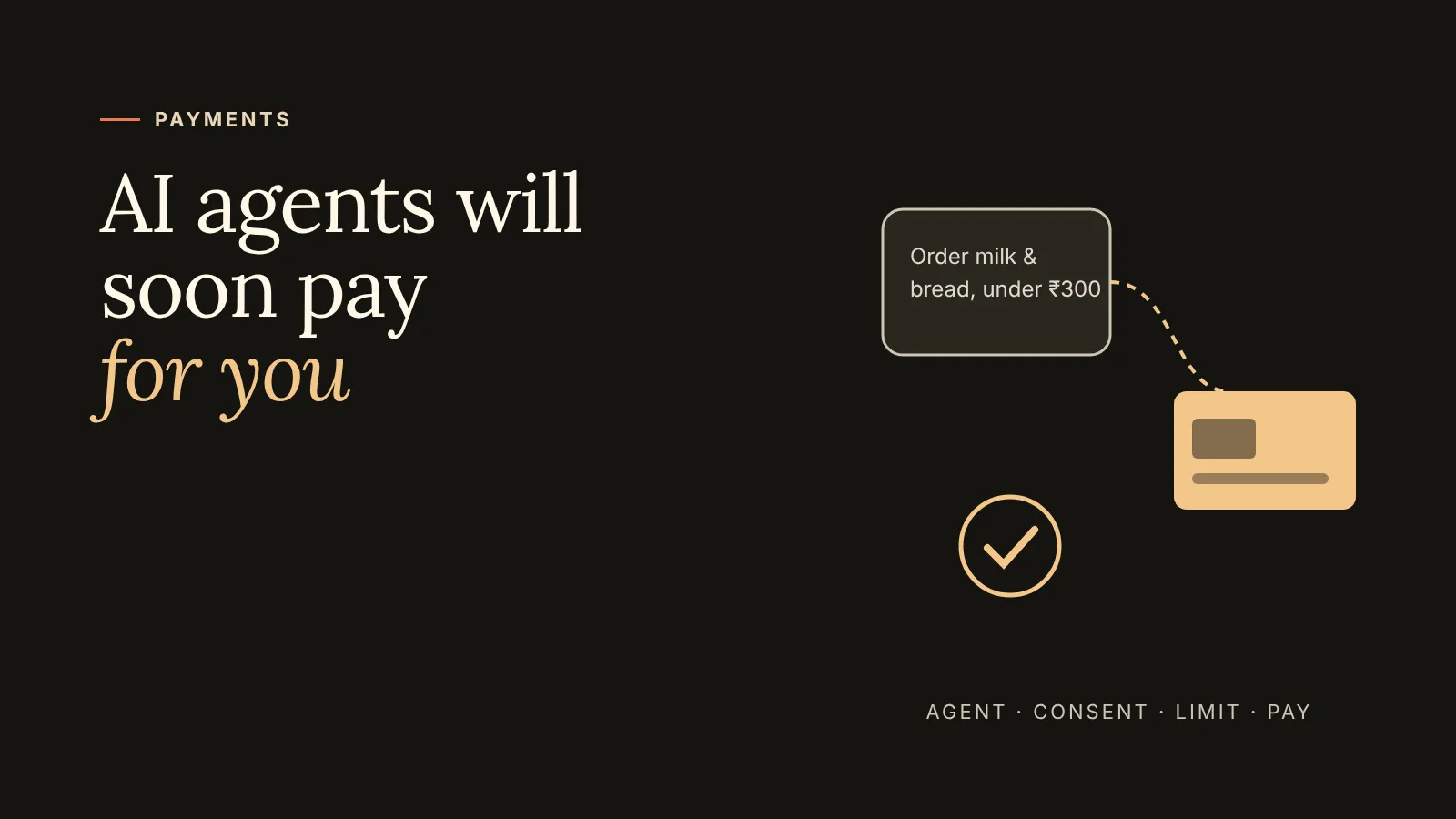
Today, you find a product, open an app and pay. Very soon, you may simply tell an AI assistant what you need, and it will find the product, compare prices and pay for you.
This is called agentic commerce, or agentic payments. In 2026 it moved from demos to real programmes, in the US and in India. Here is what has happened, and what it means for banks.
What are agentic payments?
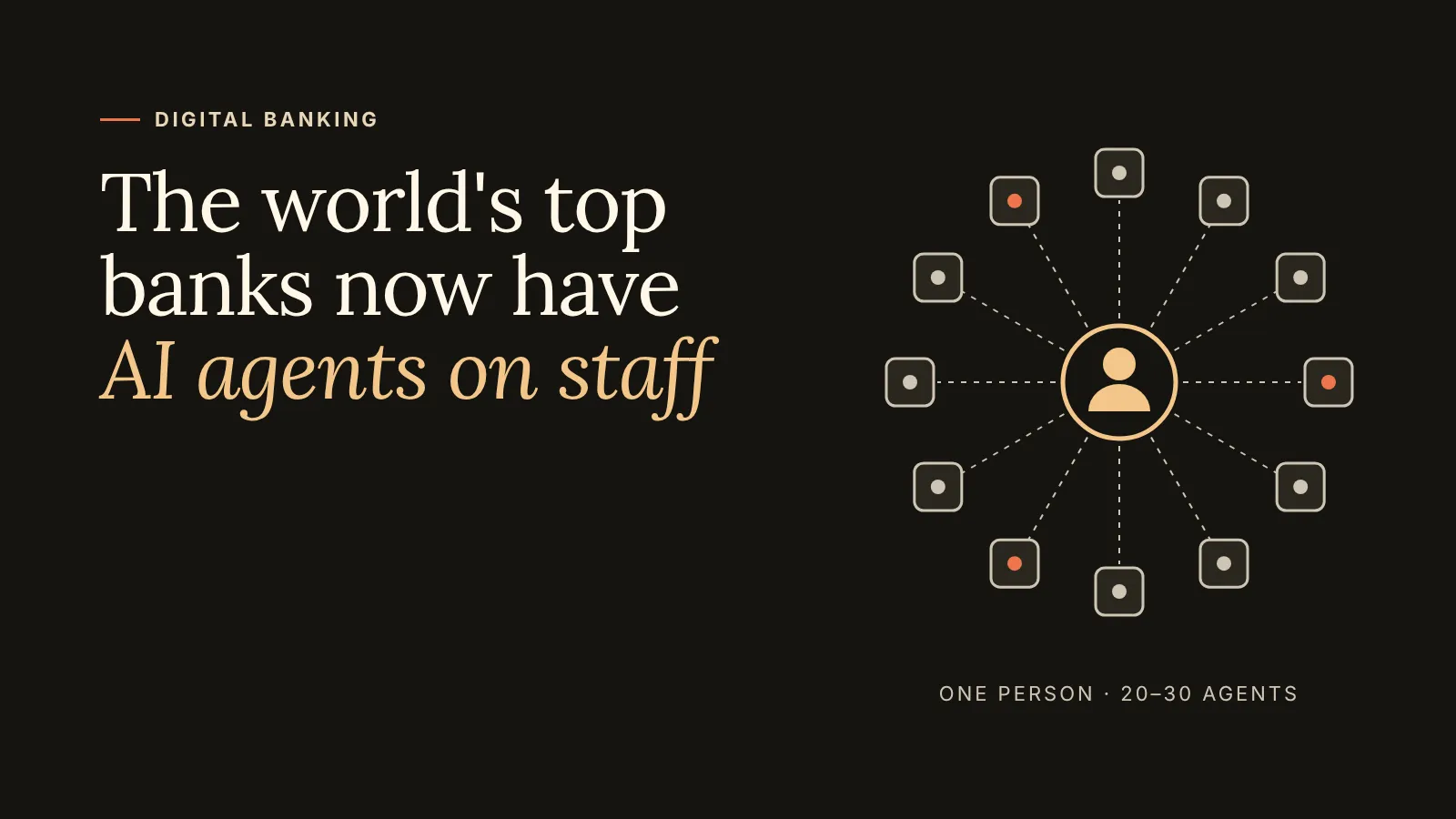
An AI agent is software that can finish a task on its own. In payments, it means an AI assistant that can search, choose and complete the purchase for you, within limits you set.
The big question is trust. How does a bank know that an AI agent is genuine, that you really allowed it to pay, and how much it is allowed to spend?
Visa: from pilots to a global programme
On 17 November 2026, Visa expanded its Agentic Ready programme, part of Visa Intelligent Commerce. The programme helps merchants, payment companies and acquirers recognise, authenticate and process payments started by AI agents.
- More than 140 new participants joined, including Adyen, Checkout.com, Fiserv, PayPal, Stripe and Worldline.
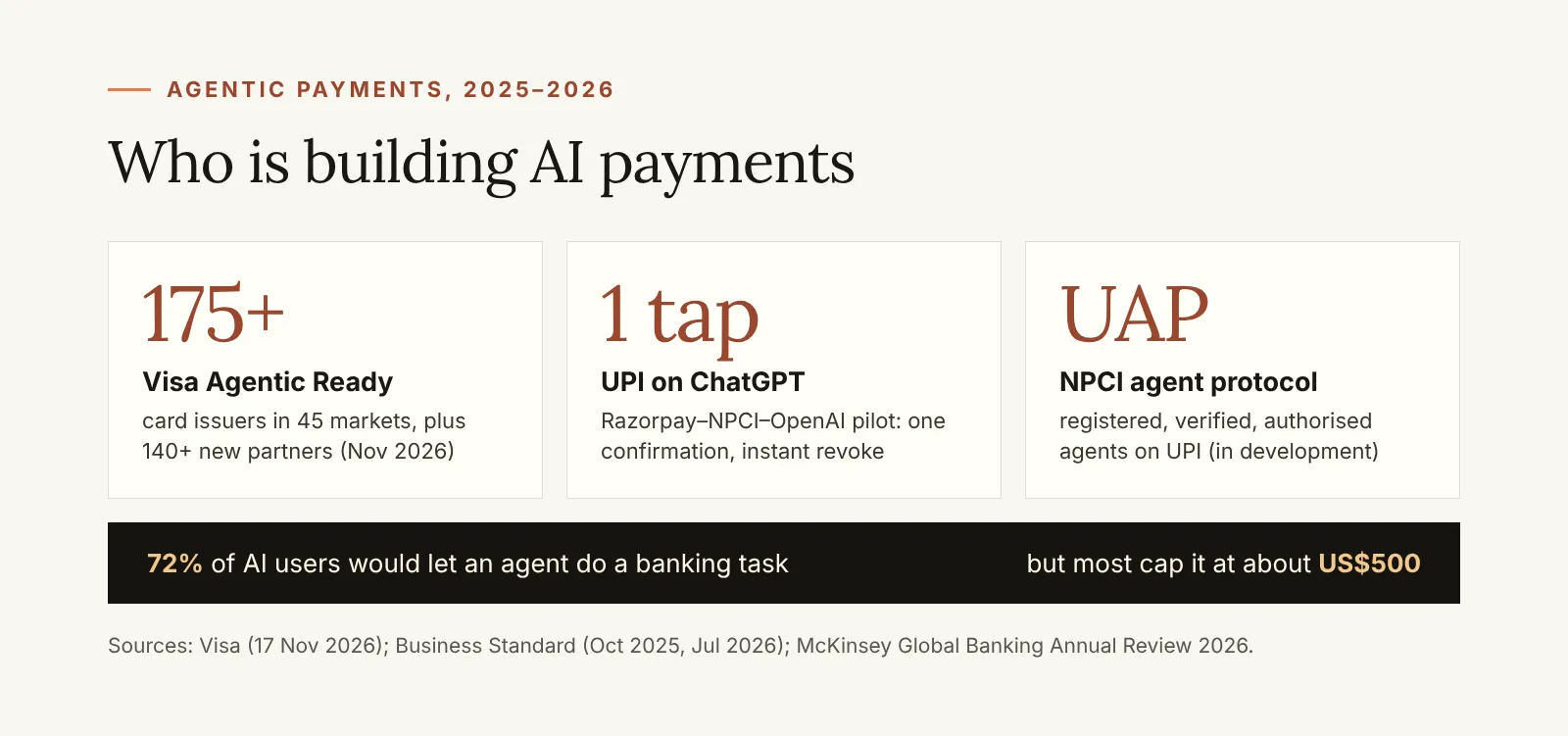
- 175+ card issuers across 45 markets were already taking part.
- More banks and merchants are expected to join through 2027.
In India, Visa showed live agentic commerce demos at the Global Fintech Fest 2026 in Mumbai. AI agents took shoppers from product search to payment, with partners including Federal Bank, IndusInd Bank, RBL Bank, PayU, Razorpay, Juspay, Pine Labs, Cashfree Payments, CCAvenue and Paytm Payments Services. Visa uses tokenisation and passkey-based authentication so the customer stays in control.
Citing McKinsey, Visa says AI agents could help drive $3 trillion to $5 trillion in global commerce by 2030.
India: UPI inside ChatGPT, and a protocol for AI agents
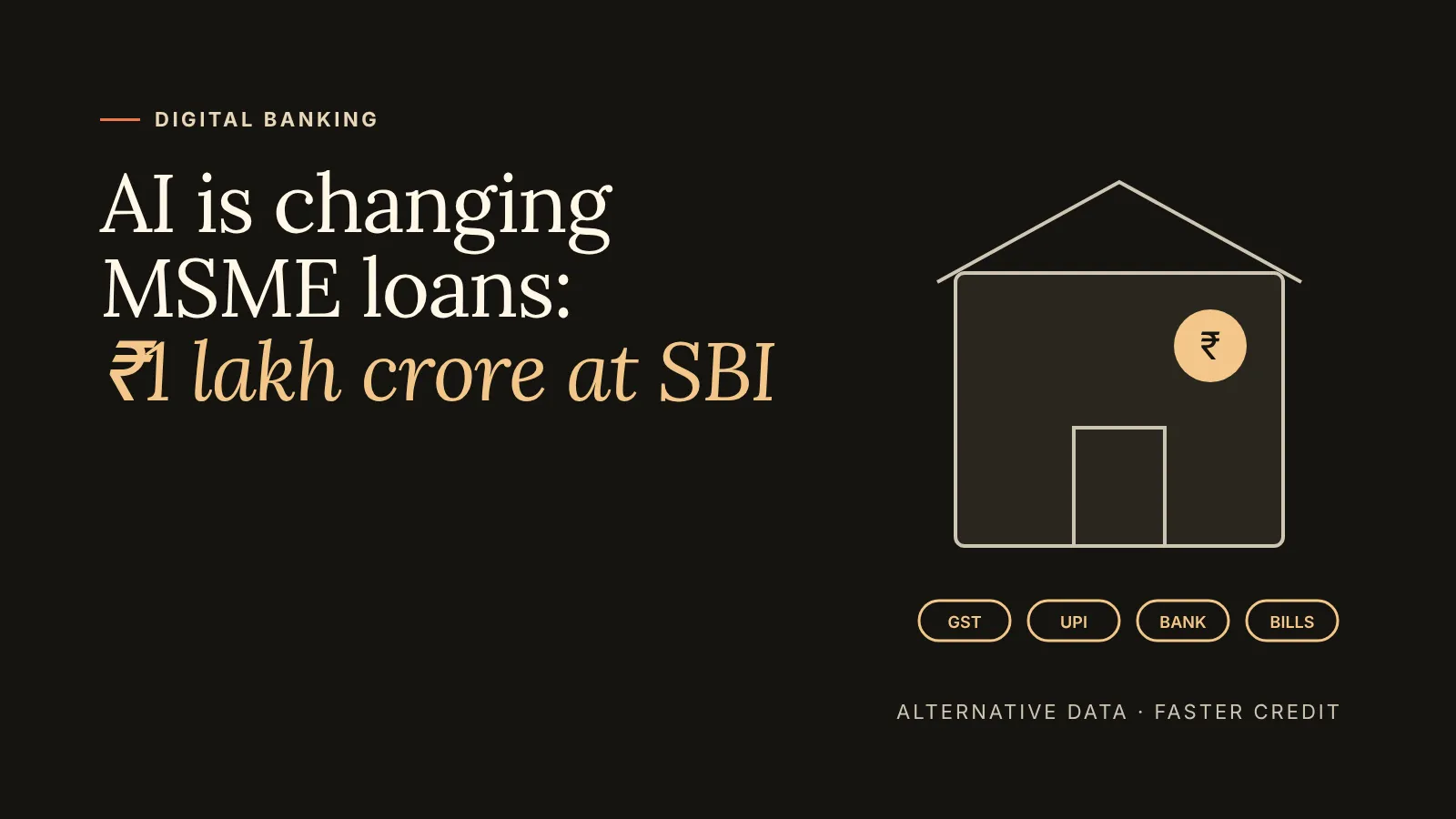
India started early. In October 2025, Razorpay, NPCI and OpenAI launched a pilot of agentic payments on ChatGPT. A user could ask ChatGPT to order groceries from BigBasket; the agent picked products and placed the order after one confirmation from the user. It runs on UPI features such as UPI Circle and UPI Reserve Pay, with Axis Bank and Airtel Payments Bank as banking partners. Users can track activity and revoke access instantly.
In July 2026, Business Standard reported that NPCI is developing a Unified Agent Protocol (UAP). According to the report, it would:
- Check whether an AI agent is registered, verified and authorised to pay for a user.
- Define the limits of what the agent can do, and who is accountable.
- Work on existing UPI rails, with NPCI validating payment requests as it does today.
Early use cases are expected to be low-value, repeat purchases such as groceries, milk and daily essentials. The protocol is still reported as being in development, with no launch date announced.
The scale is huge. In June 2026 alone, UPI handled 22.71 billion transactions worth ₹28.92 lakh crore.
Will customers trust it?
McKinsey surveyed about 46,000 retail banking customers. Among those who already use AI, 72% would let a banking agent do a financial task for them, but most would cap what it can approve on its own at around US$500.
That is the pattern: people are happy to let AI handle small, routine payments, and want to stay in charge of big ones.
What banks need to get ready for
- Agent identity. Banks will need to know which AI agent is asking to pay, and whether it is genuine.
- Customer consent and limits. Clear spending limits, easy ways to see what the agent did, and one-tap revoke.
- Disputes. If an agent buys the wrong thing, who is responsible? Industry participants say chargebacks and dispute rules will need to change.
- Fraud. Fraudsters will try to pose as trusted agents. Strong authentication, such as tokens and passkeys, becomes even more important.
What this means for you
For customers, payments will get faster and more hands-free, especially for daily essentials. For bankers, new questions will come up in branches and call centres: "My AI paid for something I didn't want, what now?" Understanding how agent permissions, limits and revocation work will soon be part of everyday banking knowledge.
*Sources: Visa press release (17 November 2026); Indian Television on Visa at GFF 2026 (10 September 2026); Business Standard on the Razorpay–NPCI–OpenAI pilot (9 October 2025); Outlook Business citing Business Standard on NPCI's Unified Agent Protocol (9 July 2026); McKinsey Global Banking Annual Review 2026 as reported by Reuters/The Standard (10 November 2026).*